Mara Keller · 7 October 2026
Bloom Lab researchers have completed an extensive investigation into flower bloom cycles within urban environments. The project examined seasonal patterns across multiple cities using advanced monitoring tools and environmental data analysis. Results provide new insights into how city conditions influence plant development and timing.
Research Approach and Data Collection
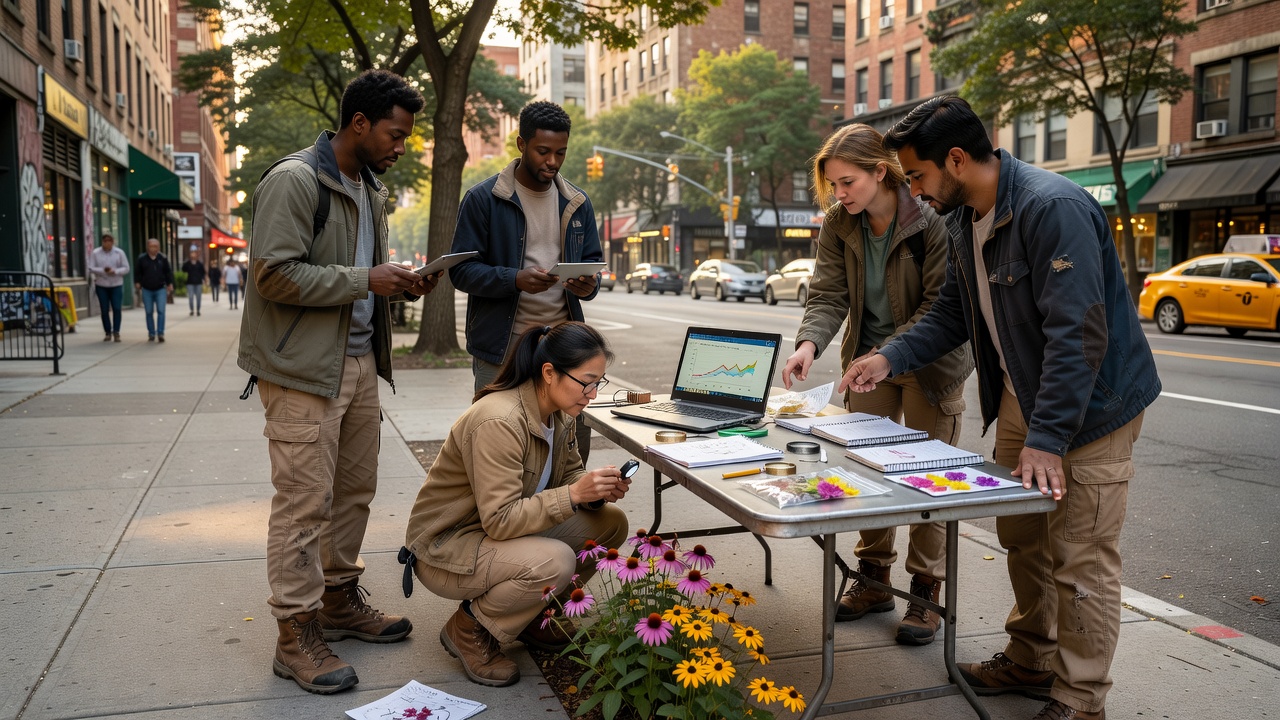
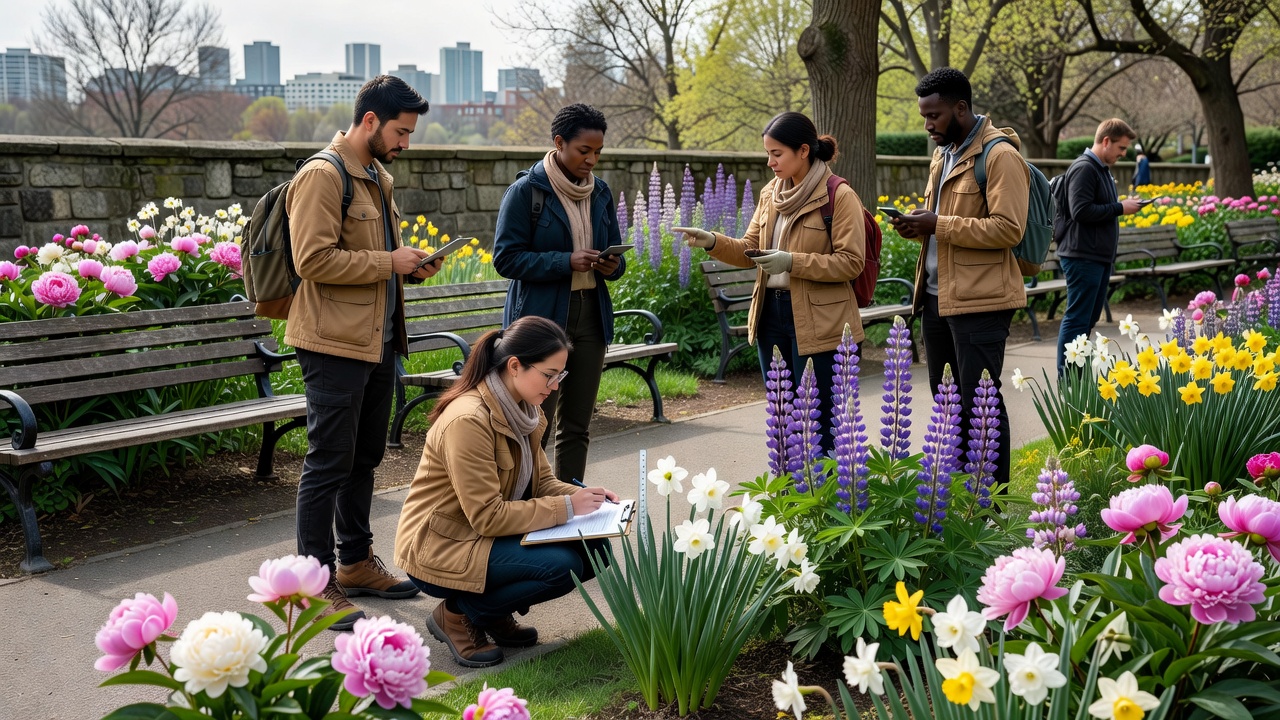
The team installed sensor networks in parks and green spaces throughout New York, London, Tokyo and Berlin. Over four years, they collected information on more than 600 plant species while tracking temperature, air quality, soil moisture and light exposure. Citizen volunteers contributed additional observations through a dedicated mobile application that recorded bloom dates and locations. Machine learning models processed the combined datasets to detect subtle shifts in cycle timing that manual methods often miss. Calibration tests ensured sensor accuracy across varying urban microclimates.
Researchers compared urban readings with nearby rural control sites to isolate the effects of human activity and infrastructure. Pollution levels and heat retention from buildings emerged as primary drivers of altered blooming schedules. The methodology combined satellite imagery with ground-level measurements for comprehensive spatial coverage.
Key Findings and Planning Implications
Analysis showed urban blooms occurring an average of twelve days earlier than in rural areas, with some species advancing by three weeks. These shifts disrupt synchrony with pollinators and can reduce seed production in sensitive plants. Cities with higher pollution recorded greater variability in bloom duration and intensity.
The study recommends incorporating bloom timing data into urban green space design. Planners should prioritize diverse native species that maintain extended flowering periods despite heat islands. Adaptive irrigation and reduced pavement near plantings can help stabilize cycles. Bloom Lab plans follow-up research in additional regions to refine predictive models for future climate scenarios.